New Report: Families as Drivers of Early STEM Learning
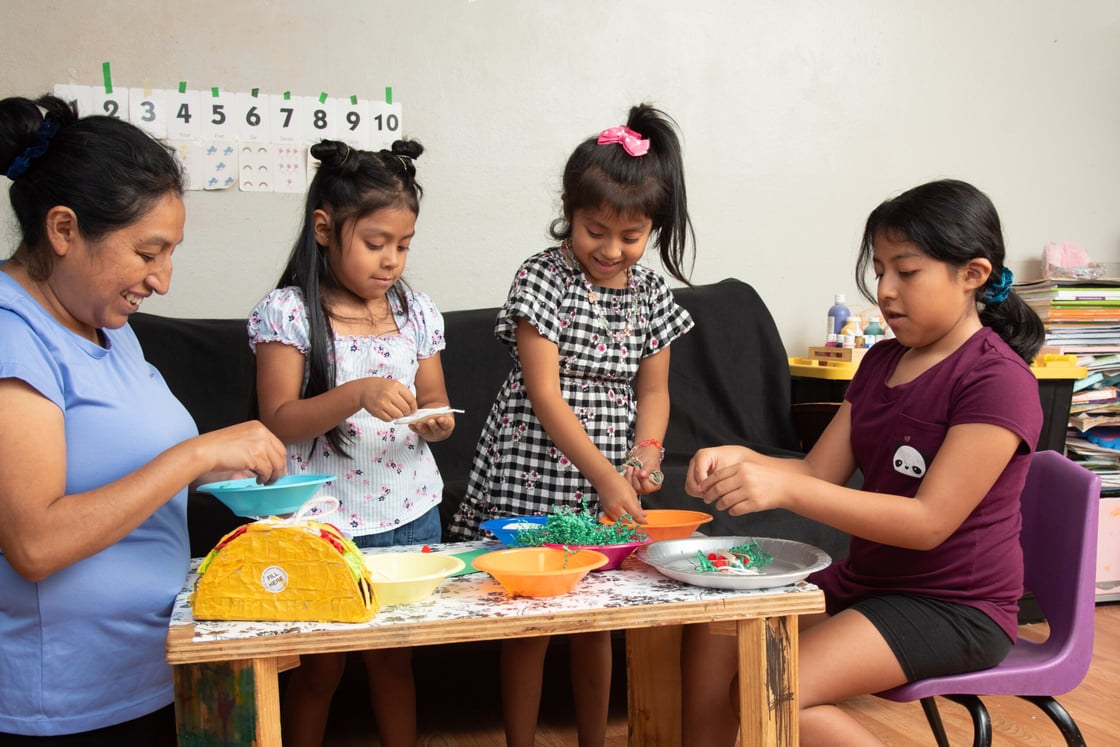
We’re excited to share a new research report exploring how Spanish- and English-speaking caregivers from low-income communities actively shape early STEM learning around their own goals, values, and family priorities. Drawing on 10 years of collaboration and in-depth case studies with 12 families, this work introduces a new framework—agentic interest development—that rethinks how STEM interest grows within families.
Read the blog for key insights, then download the full report to explore the stories, findings, and practical implications for educators, program designers, and researchers.
Robots in Science Class: Teachers’ Reflections on Their Integrated Robotics Unit Designs
See how teachers integrated robotics into science units, refined their designs based on student learning, and enhanced disciplinary instruction. Authors: Debra Bernstein, Karen Mutch-Jones, Michael Cassidy, Jennifer L. Cross
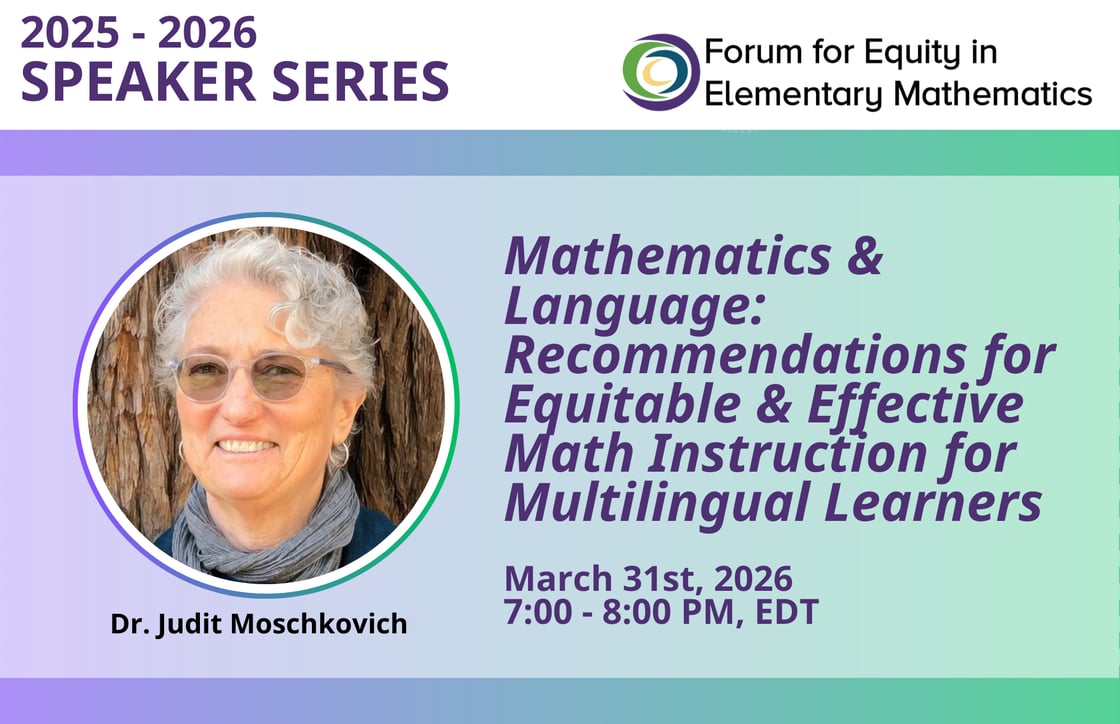
This talk presents research-based recommendations for effective and equitable mathematics instruction for multilingual learners. It will summarize what research says about effective math teaching for multilingual learners. A video from a 3rd grade classroom will be used to illustrate recommendations for supporting multilingual learners in elementary math classrooms.
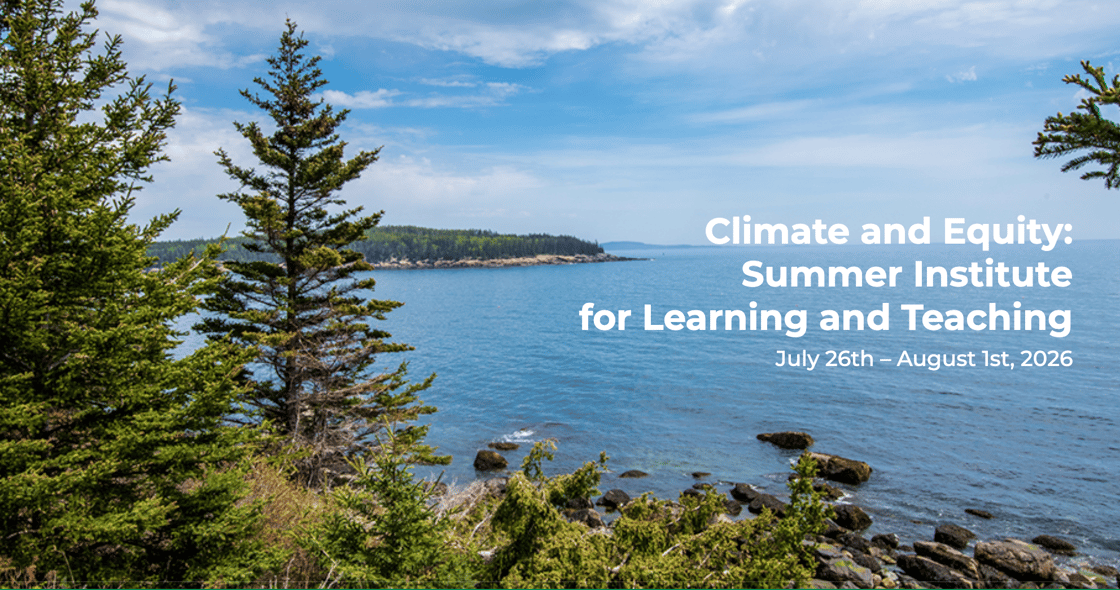
Join us as one of 18 high school educators selected as Climate and Equity Fellows for the 2026 Climate and Equity Institute, an all-expenses-paid, weeklong experience focused on teaching climate change and equity. Held July 26 to August 1, 2026, at the Schoodic Institute in Acadia National Park, the Institute offers you the opportunity to collaborate with experts, strengthen your curriculum, and reconnect with purpose in a stunning natural setting.
Help Advance Inclusive Education: Apply to the 2026 EALA New Champions Fund
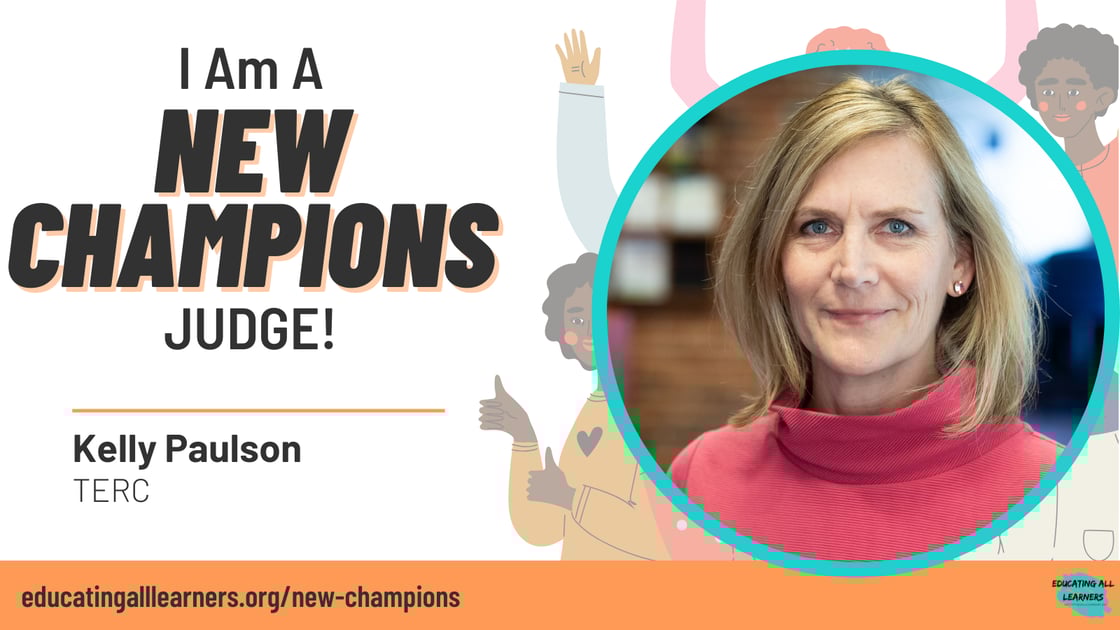
TERC’s Kelly Paulson has been selected to serve as a judge for the 2026 Educating All Learners Alliance (EALA) New Champions Fund. The Fund supports education leaders who are expanding access, belonging, and opportunity for students with disabilities and learning differences, especially those with bold, innovative ideas who may face barriers to traditional funding. Applications are open through March 6, 2026.
Do you know an education leader who should apply? We encourage you to share this opportunity and help connect visionary leaders with the support they need.