From robotics-infused science units to strengthened math PD, early childhood STEM insights, systems thinking through games, and AI resources.
View in browser
Terc_pers_tag_rightside_Word
Moving-STEM-Forward

Volume 4, Issue 12

December 2025

What's New in STEM Education Research

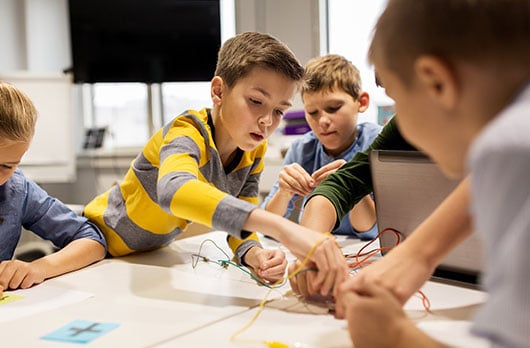
Students_Robots-3-2

Robots in Science Class: Teachers’ Reflections on Their Integrated Robotics Unit Designs

See how teachers integrated robotics into science units, refined their designs based on student learning, and enhanced disciplinary instruction.
Authors: Debra Bernstein, Karen Mutch-Jones, Michael Cassidy, Jennifer L. Cross

Explore the article ➡️

Building Instructional Capacity and Creating Opportunities for Professional Growth: Mathematics Professional Development for Paraeducators

Discover how a new PD model boosted paraeducators’ confidence, instructional skills, and impact on K–3 math learning in a diverse urban district.

Authors: Karen Mutch-Jones, Judy Storeygard

See the findings ➡️

Whole child, whole family, whole community: developing shared problems of practice with Latine families related to STEM learning in early childhood

Read how a two-year dialogue with Latine parents revealed family-centered insights that challenge and expand traditional early learning priorities.

Authors: Scott Pattison, Smirla Ramos Montañez, Viviana López Burgos, Shauna Tominey, María Quijano, Gina Svarovsky

Read the findings ➡️

How Does Modifying a Scratch Game Support Teacher Learning?

Explore how remixing a Scratch game helped middle school teachers deepen their own systems thinking and sharpen their instructional goals.

Authors: Gillian Puttick, Debra Bernstein, & Michael Cassidy

Discover Insights ➡️

PD Opportunities

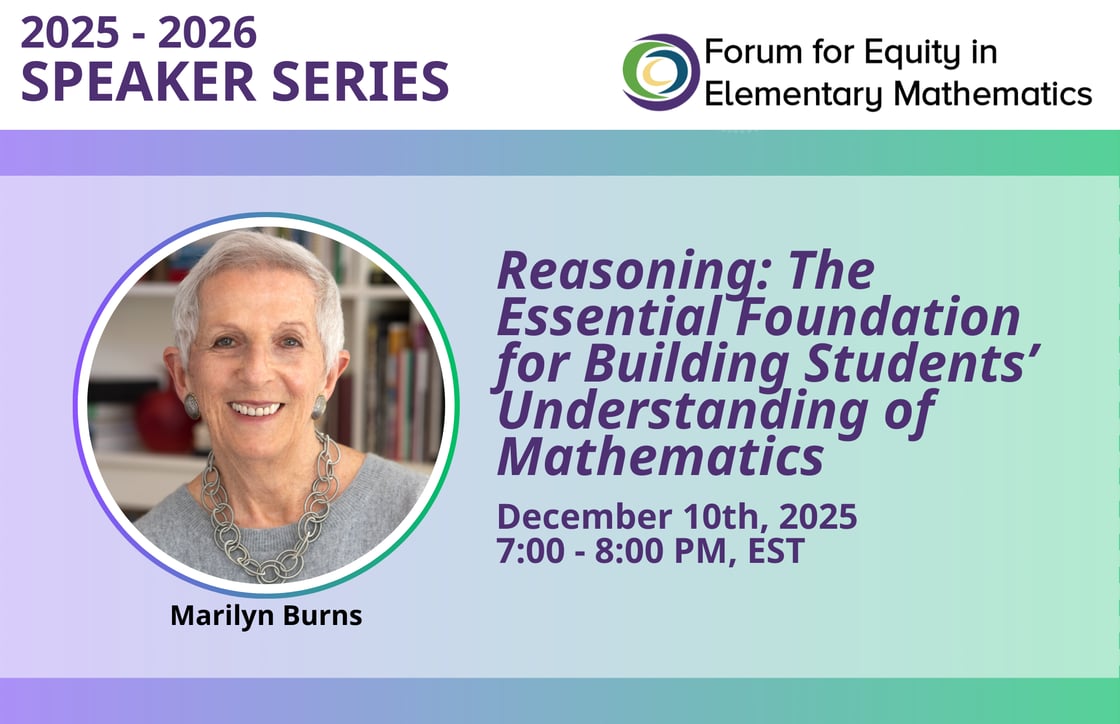
Speaker Series Session 2

This session focuses on how numeracy serves as the cornerstone of K–5 mathematics learning and how reasoning supports students in building understanding and skills. Marilyn will share video examples of students solving arithmetic problems mentally in one-on-one interviews and explaining how they reason, along with a set of takeaways that connect students’ thinking to classroom instruction.


Save Your Seat ➡️

STEM Voices: Podcasts

TechTalks_emailHeader_2

Supporting Neurodiverse Learners with AI

Learn how educators might use AI as a starting point when differentiating lessons.

Watch on YouTube ➡️

Diffit for Teachers and Goblin Tools

This episode explores how AI can spark lesson ideas while teachers’ deep knowledge of their learners ultimately shapes the instruction.

Watch the episode ➡️

Facebook
LinkedIn
Instagram
YouTube
Bluesky_Logo

terc.edu, | 2067 Massachusetts Ave, Cambridge, MA 02140

Unsubscribe